Geriatric Update Aug 10, 2026
A review of green space exposure in more than 140 studies emphasizes the benefits of reducing all-cause mortality and reducing physical and mental ailments. Some benefit is seen with 60 minutes of green space a week but spending at least 120 minutes is associated with good health and well-being. NatureQuant is a website that calculates a location's access to nature and green space. My home in Cincinnati rated 73.1, pretty good for living right in town, as the sidewalks provide easy access.
In the Irish Longitudinal Study on Aging with 2,454 adults ≥65 years, 20% reported an index fall, which was associated with functional impairment at 2-year follow-up (odds ratio [OR], 1.71; 95% CI, 1.19-2.47). Almost 12% with index falls developed functional impairment and required “new” social supports. In those not requiring home care at baseline, an index fall was independently associated with an almost 3-fold higher likelihood of requiring home care (OR, 2.87; 95% CI, 1.38-5.97; P = .005) and a higher number of monthly home care hours (β = 0.76; 95% CI, 0.18-1.34; P = .010) at 2-year follow-up. An index fall was independently associated with future falls-related emergency department use (OR, 1.69; 95% CI, 1.14-2.49; P = .008) and future fractures (OR, 1.52; 95% CI, 1.08-2.15; P = .018), but not more general practitioner visits during follow-up. Cincinnati has a falls prevention website where patients can sign up for classes to strengthen balance and prevent falls.
In 109 patients discharged after hip fracture, oral nutritional supplementation increased protein intake but did not improve physical functional performance.
People with higher legume intake were 16% less likely to develop high blood pressure, while higher soy intake was linked to a 19% lower risk. The largest reduction in hypertension risk was linked to just under one cup (170 grams) of legumes a day, including peas, lentils, chickpeas and beans. Meanwhile, the biggest benefit with soy was seen with a 2- to 3- ounce (60- to 80-gram) serving of foods like tofu, edamame, soy milk or miso.
Non-soy legume consumption significantly reduced waist circumference (weighted mean difference [WMD]: -1.61 cm; 95% CI: -2.06, -1.16; p < 0.001), fat mass (WMD: -2.00 kg; 95% CI: -2.24, -1.78; p < 0.001), and body weight (WMD: -0.98 kg; 95% CI: -1.63, -0.33; p = 0.003). No significant effect was observed for body mass index (WMD: -0.24 kg/m2; 95% CI: -0.50, 0.03; p = 0.08).
From 1990 to 2023, the global morbidity gap, the difference between total life expectancy and healthy life expectancy, increased from 8.8 to 10.7 years, an increase of 1.9 years. Globally in 2023, an average of 14.5% of life was spent in poor health, compared to 13.6% in 1990. From 1990 to 2023, across locations, age-specific morbidity gaps widened across the adult life course, rather than concentrating in the final years of life, driven mostly by high fasting plasma glucose, high body-mass index, and child and maternal malnutrition.
AI-generated wellness influencers who are losing a ton of weight quickly may not be real, as The Times described in a great report.
A combined therapy of GLP-1 and SGLT-2 meds in a meta-analysis of 12 RCTs with 99,683 participants was associated with a similarly lower risk of heart failure-related hospital admission than SGLT2i (RR 0.72, 95% CI 0.52 to 0.99) or GLP-1RA (RR 0.62, 95% CI 0.45 to 0.86), but not with major adverse cardiovascular or kidney events. Therapy with GLP-1RA alone was associated with a lower risk of major adverse cardiovascular events compared with SGLT2i alone (RR 0.91, 95% CI 0.83 to 0.99).
Initiation of GLP-1 meds was associated with lower fragility fracture risk compared with DPP-4 initiation (hazard ratio [HR], 0.79 [95% CI, 0.76-0.83]; absolute risk reduction, 0.79% [95% CI, 0.60%-0.99%]; number needed to treat, 126 [95% CI, 101-168]). The largest risk reductions were observed with vertebral (HR, 0.68 [95% CI, 0.63-0.73]) and hip or femur (HR, 0.70 [95% CI, 0.63-0.79]) fractures. Fracture risk reduction was observed among patients with T2D (HR, 0.91 [95% CI, 0.88-0.95]) but not among those without T2D (HR, 1.13 [95% CI, 1.04-1.23]; interaction P < .001).
GLP-1 meds reduced risks of developing various incident substance use disorders (hazard ratio 0.82 (95% confidence interval (CI) 0.78 to 0.85). And the use of GLP-1 RAs for opioid use disorder was safe, and associated with a lower risk for insomnia (aHR, 0.78; 95% CI, 0.68-0.89); anxiety (aHR, 0.76; 95% CI, 0.67-0.86) and pancreatitis, than nonuse (adjusted hazard ratio [aHR], 0.65; 95% CI, 0.45-0.93); no increased risk was seen for gastroparesis, psychiatric outcomes, depression, stress related disorders, eating disorders, suicidal behavior or ideation, acute kidney injury or aspiration pneumonitis in almost 5,000 propensity matched records of a large database.
Longer time from atrial fibrillation (AF) diagnosis to ablation, 1-4 years vs <1 year, was associated with 48% higher atrial arrhythmia recurrence risk, and those treated >5 years after diagnosis had a 110% higher risk.
In 118 older patients, overweight and with persistent AF, a low-calorie diet and behavioral support program was associated with a significant 6.9 kg weight loss at 8 months (9.7% vs 3.1% in the control group) with no safety concerns, but did not affect AF symptoms, AF burden, cardiac remodeling, or the need for further rhythm control interventions.
Among 3,729 older patients, 2,722 (73.0%) received standard dose direct oral anticoagulants (DOACs), 462 (12.4%) guideline-reduced, such ass for kidney function, age, weight, and interacting medications, and 547 (14.7%) non-guideline-reduced dose DOACs. The non-guideline-reduced dose group was associated with higher mortality compared with the full-dose DOAC group (hazard ratios [HR] 1.42, 95% CI 1.12–1.81; p <0.01), but the guideline-reduced dose group was not (HR 1.19, 95% CI 0.92–1.50; p = 0.2). Guideline-reduced dosing was associated with increased stroke/systemic embolism (HR 3.32, 95% CI 1.19–9.23; p = 0.02), while non-guideline-based dosing showed a borderline association (HR 2.22, 95% CI 0.82–5.96; p = 0.11) compared to full-dose DOAC. There was no association with major bleeding among dose groups.
Among 8,250 Chinese patients with multivessel coronary artery disease, age 18-75 and in stable condition 12 months after implantation of a drug-eluting stent, extending dual antiplatelet therapy (DAPT) with clopidogrel and aspirin for an additional 12 months led to a lower risk of death from cardiovascular causes, nonfatal myocardial infarction, or nonfatal stroke than continuing aspirin alone, without an increased risk of bleeding. This may not apply to the US or our older patients who are at higher bleeding risk from prolonged DAPT.
The new 2026 dyslipidemia guideline will expand statin eligibility to 21.5 million adults not previously recommended statins. An estimate immune microenvironment d 87.5 million US adults, 56.6% of the target population, are eligible for statins, including 85% of patients between the ages of 60 and 69 and >93% of adults aged 70 to 79 years. While older studies have shown no benefit on dementia from statins in older adults, recent studies produced significant reductions in major vascular events irrespective of age.
In patients with multiple myeloma, lenalidomide for 2 years had similar survival at 7 years as the indefinite-duration group (69.0% vs 68.6%) with fewer side effects. Progression-free survival at 7 years was also similar, at 36.1% in the indefinite-duration group and 29.7% in the fixed-duration group.
Of 33 patients with toxic erythema of chemotherapy or acute radiation dermatitis, 26 patients reported symptomatic relief within 10 days of high-dose oral vitamin D administration (100,000 international units). 85% received a second dose within 7 days; 15% received only one dose because symptoms resolved before day 7.
Arthroscopic knee surgery to trim degenerative cartilage tears might be making patients' problems worse rather than better. Researchers who followed 145 patients for 10 years after they received either the actual procedure, knee surgery, or merely ‘sham surgery’ – a skin incision – for knee pain, found that the surgery provided little or no benefit and was, in fact, associated with accelerated osteoarthritis, 81% vs 70%, and higher rates of reoperation, 12% vs 4%.
Only about 6% of men have had a documented discussion with their primary care doctor about prostate cancer screening, even though guidelines recommend this talk for all men 55 - 69 years of age.
This is an excellent podcast by Eric Topol with Aaron Newman about blood tests for cancer. With tests differentiating precursor lesions from pancreatic cancer, and early colorectal cancer that can be detected in patients with premalignant lesions using the immune microenvironment and noncoding RNA.
A study of more than 3 million adults in Denmark showed that long-term exposure to residential road traffic noise was associated with an increased risk of Parkinson’s disease. Investigators found that traffic noise levels at the most exposed facade of people’s homes over 10 years was associated with an increased risk of incident Parkinson’s disease per interquartile increment of 11.5 dB, after adjusting for sociodemographics, air pollution, and green space (HR 1.03, 95% CI 1.00-1.05). Although the database is large with >3 million Danes, many confounding factors were accounted for, and the difference was statistically significant; the difference is very small, however, 3%, and I don't think is clinically relevant or causative.
Dopaminergic neurons have high density of ACE2 receptors and are vulnerable to COVID-19 infection and subsequent injury from gliosis. Long COVID linked to ↓ striatal vesicular monoamine transporter 2 (VMAT2) binding suggests dopamine terminal injury. A PET study of 24 long COVID patients vs 24 controls showed decreased dopamine binding and its effect in:
↓ ventral striatum binding correlated with loss of motivation.
↓ dorsal putamen binding correlated with slowed movement speed.
↓ caudate binding correlated with memory and delayed verbal recall deficits.
Which AI Gives the Safest Medical Advice? An independent clinical AI research group ARISE released NOHARM v2, a study evaluating whether AI recommendations are safe in realistic clinical scenarios. The group is led by physicians at Stanford and Harvard. Real-world testing of commercially available products by physicians showed accuracy: Doximity Ask (75.8%), ChatGPT Health (68.4%) and OpenEvidence (60.8%)
The FDA issued a recall for 3 lots of dabigatran (Pradaxa) over impurities. Dabigatran is on the Beers list and should not be used by older adults.
The OMDA call on Thu August 13 is: Nurse Practitioner HB 508 Discussion
The FDA approved the first flu shot that uses mRNA technology in the US: mFlusiva, from Moderna for adults 50 to 65 and adults 65 and up, on the condition that Moderna run an additional clinical trial in the older group. And effectiveness of the influenza vaccine in preventing influenza does not meaningfully differ by time of day of vaccine administration.
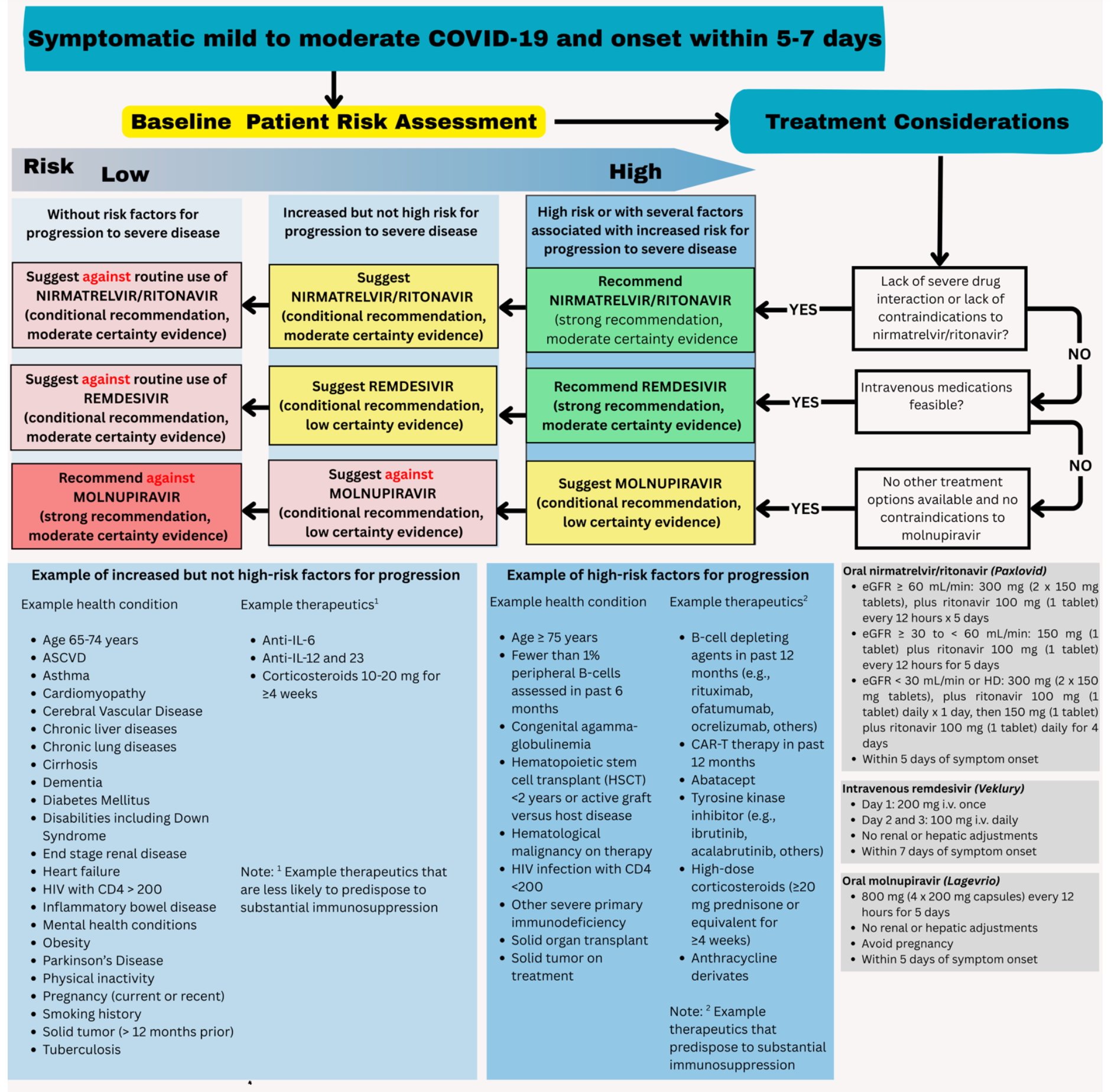
While we have good immunity to COVID-19 from vaccine and prior infection, those aged 65 years or older remain at increased risk for progression to severe disease. This guideline provides a risk-stratified approach to antiviral therapies for patients with mild to moderate COVID-19 (defined as symptoms of respiratory infection with oxygen saturation >94% while breathing room air). Although the guidelines state to start antiretrovirals within 5-7 days, the earlier the start the better the outcome.
The 2024-2025 COVID-19 vaccine was associated with reduced risk of COVID-19–associated MACE, all-cause hospitalization, and all-cause death, with reductions most prominent in those with comorbidities and those 75 years or older. Secondary analysis showed absolute risk reductions for all-cause MACE, 23.7 (95% CI, 14.1 to 34.7).
The CDC has confirmed 10,468 laboratory-confirmed domestic cases of cyclosporiasis. and is investigating >12,200 additional case. In Michigan 2 deaths have been reported from the infection.
July 21 the New York Times reached out to state health departments for their case counts, which collectively exceed 11,000 infections. The Centers for Disease Control (CDC) reports 2,500 cases, but Michigan alone reports >6,000 and Ohio >2500 cases.
Michigan advised residents to resume eating lettuce and salad greens, new cyclosporiasis infections are slowing down to 267 cases a day, after reporting 12,485 cases linked to the outbreak.
Last year, the CDC quietly scaled back one of its key surveillance systems for food-borne illnesses. And the FDA delayed the implementation of a federal “traceability” rule designed to improve record-keeping throughout the food supply chain, set to go into effect in January but it has now been delayed until July 2028.
The CDC reports 2,449 confirmed measles cases in 47 states vs 2,355 cases in 45 states last week.
On Thursday, we celebrated 35 years of the first World Wide Web (www) at CERN. In 1989 Tim Berners-Lee wrote the first proposal for it, in 1990 the first web server and browser went live on a NeXT computer and in 1991 the first website (hosted at nfo.cern.ch) went online for external users, and 1993 CERN made the World Wide Web software free and open to everyone in the public domain.